
Soot removal
We clean the soot a fire leaves on walls, ceilings, cabinets and floors: soot removal in Miami homes, condos and businesses, surface by surface.
When to call
- Walls and ceilings blackened in and around the room that burned
- Greasy residue on and inside kitchen cabinets after a cooking fire
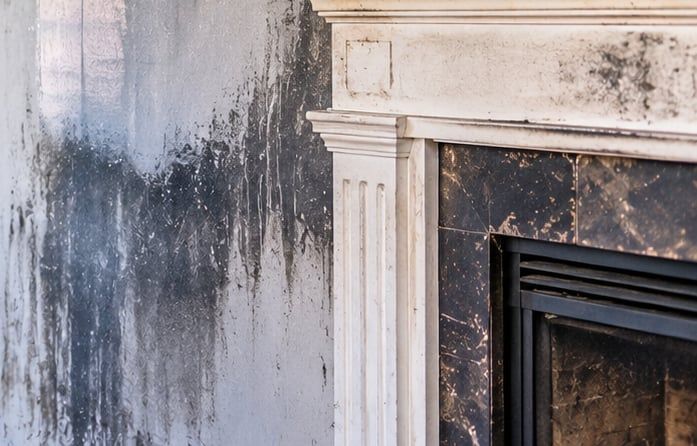
- Black marks around the air vents, above candles or over a fireplace
- Soot puffed out by a water heater or furnace
- Soot that smeared when someone tried to wipe it off
What to do before anyone cleans the soot
If the fire forced everyone out of the building, no one goes back in to clean until the department that fought the fire says it is safe: FEMA’s Ready.gov tells you to check with the fire department before you go in. For an address inside the City of Miami that department is the City’s own Department of Fire-Rescue; for unincorporated Miami-Dade and the 29 municipalities the county department serves, it is Miami-Dade Fire Rescue.
The Alabama Cooperative Extension System’s guide to cleaning after a fire, written for belongings salvaged from a fire, warns that water and other cleaning solutions drive soot and ash further into the surface of an item, until they become impossible to remove.
Some people should not take part in the cleanup at all. EPA’s wildfire guidance names them, and both that list and the protection EPA advises for anyone who does clean are set out on our smoke damage restoration page.
What soot is, and why the kind matters
What burned decides what the soot is like. Washington State’s Office of the Insurance Commissioner sorts smoke residue into four kinds:
- Dry residue, from fast-burning, high-temperature fires in paper or wood: powdery and easier to wipe away, but it falls into cracks and can damage electronics and wiring.
- Wet residue, from low-temperature, smoldering fires in plastics or rubber: thick and sticky, it smears easily and often leaves permanent stains and strong odors.
- Protein residue, from burnt food in a kitchen (see the kitchen section below).
- Fuel or oil residue, greasy and dark, typically from a furnace puff-back.
The same page says smoke contains acidic compounds that etch, pit and tarnish metal and cause glass and other surfaces to yellow over time, and that soot permeates drywall, insulation and hardwood floors. Because each kind behaves differently, a restorer works out which residue is in each room, and on which surfaces, before choosing how to clean it. One room can hold more than one kind, where a fire burned wood and plastic together.
Soot is seldom only in the room that burned. It turns up wherever the smoke went, by the routes described under where smoke travels in a building.
How soot is removed from walls, ceilings and other surfaces
Soot removal works from dry to wet. Loose soot is lifted off before any water touches the surface; for belongings, the first section gives the reason. The Alabama extension guide describes the dry stage for belongings: vacuum the soot off, with a HEPA filter if possible, at the lowest suction, with no brush and without letting the nozzle touch the surface; and use dry-cleaning soot sponges on items sturdy enough to take the handling, cutting off the dirty face of the sponge to expose a clean one.
Walls and ceilings. Restorers use the same two tools on painted walls and ceilings, then wash off what the sponge and the vacuum leave behind, with a cleaner chosen for the kind of residue and for the paint. Oily residue from a smoldering fire needs the most care, since it smears.
Metal, glass and fixtures. Faucets, hinges, light fixtures, window frames and glass are not left for last, given what the acid in smoke does to them over time.
Floors. Tile and stone are cleaned dry and then washed. Hardwood is the harder case, because soot works into the wood, and carpet is vacuumed before any wet cleaning.
Fabrics. Curtains, upholstery and clothes need gentle handling: the extension guide warns that fabric items may look intact but fall apart when moved, and says to vacuum all exposed surfaces before opening anything folded.
Electronics. Besides the residue that can work into them, there is the heat. NIOSH, in its guidance for workers cleaning up after wildfires, says electrical equipment exposed to heat from a fire is not to be used until an electrician has checked it.
Belongings, from clothes to furniture, are a contents job we take on as well. Soot cleanup in shops, offices, restaurants and warehouses follows the same order as in homes, room by room and surface by surface.
Soot from a kitchen fire
A fire on the stove leaves protein residue, which the Washington insurance commissioner’s page describes as an invisible or amber-colored film that causes permanent discoloration to varnished or painted surfaces. Because it is hard to see, cleaning it takes in more than the surfaces that look dirty: the cabinet doors and the insides of the cabinets, the shelves, the range hood and its filter, the kitchen’s walls and ceiling, and the dishes and utensils stored near the stove. Where the fire also melted a plastic handle or container, the oily residue of burned plastic sits beside the protein film, and both are cleaned. Food is another matter: Miami-Dade Fire Rescue’s booklet After the Fire says food, beverages and medicines exposed to heat, smoke, soot and water should not be consumed.
Soot without a fire: candles, fireplaces and appliances
We also take on soot that no building fire made. Candles burned often, a fireplace that does not draw well, and a gas range, furnace or water heater out of adjustment can all leave soot, as dark marks on walls and ceilings or around the air vents. A puff-back from an oil furnace, the usual source of fuel-oil soot, can happen only in a building that still burns oil.
An appliance that leaves soot is checked before it is used again. EPA’s page on combustion products says a persistent yellow-tipped flame is generally an indication of maladjustment and increased pollutant emissions, and its carbon monoxide page advises having a trained professional inspect, clean and tune up the central heating system, furnace, flues and chimneys, every year. The Minnesota Department of Health’s page on carbon monoxide in the home counts streaks of soot around fuel-burning appliances among the signs of a potential carbon monoxide problem. EPA’s carbon monoxide page adds that the Consumer Product Safety Commission recommends carbon monoxide alarms on each level of a home, outside each sleeping area.
What soot cannot be cleaned off
Some material is past cleaning. The Washington insurance commissioner’s page says soot that has permeated drywall, insulation or hardwood floors can permanently compromise the material, which usually then needs professional deep cleaning, sealing or complete replacement. Charred wood and anything melted or blistered by the heat are past cleaning too.
Taking that material out and putting in new is repair work, set out under replacing what soot has ruined.
Soot removal is one part of the whole fire damage restoration job. Where a room burned, the debris, the water used on the fire and the drying come first, as described under cleaning up after a fire. Clean surfaces can still hold the smell of smoke, and that is the work of deodorizing once the soot is off. The cost of fire damage work in Miami is set out on our home page.
How the job goes
-
Step 1: Reading the residue
The kind of soot in each room, and what each surface is made of, is worked out first, so every surface gets a cleaning that suits it.
-
Step 2: The loose soot
Soot that is not yet stuck to a surface is lifted off dry, so that none of it is pushed in by the washing.
-
Step 3: The washing
Surfaces that take water are then washed with a cleaner matched to the residue and the finish.
-
Step 4: What will not come clean
Material the soot has ruined is set aside for removal, and its replacement is left to the repair work.
-
Step 5: What follows
With the soot off everything that could be saved, the rooms are ready for whatever treatment of the smell they still need.
Questions
Who cleans soot off walls?
We do: soot on walls and ceilings is the center of this job, in homes, condos and businesses across Miami.
What does soot removal cost?
It depends on how far the soot spread, which kinds of residue it left and what it landed on.
How long does soot removal take?
It depends on how many rooms the soot reached, how many kinds of residue are in them, and how much material turns out to be beyond cleaning and has to be replaced. Nobody can give a length of time before the rooms have been seen.
Had a fire? Call us.
Tell us what happened and where the building is. We will tell you on the call what happens next.
Open 24 hours, every day